
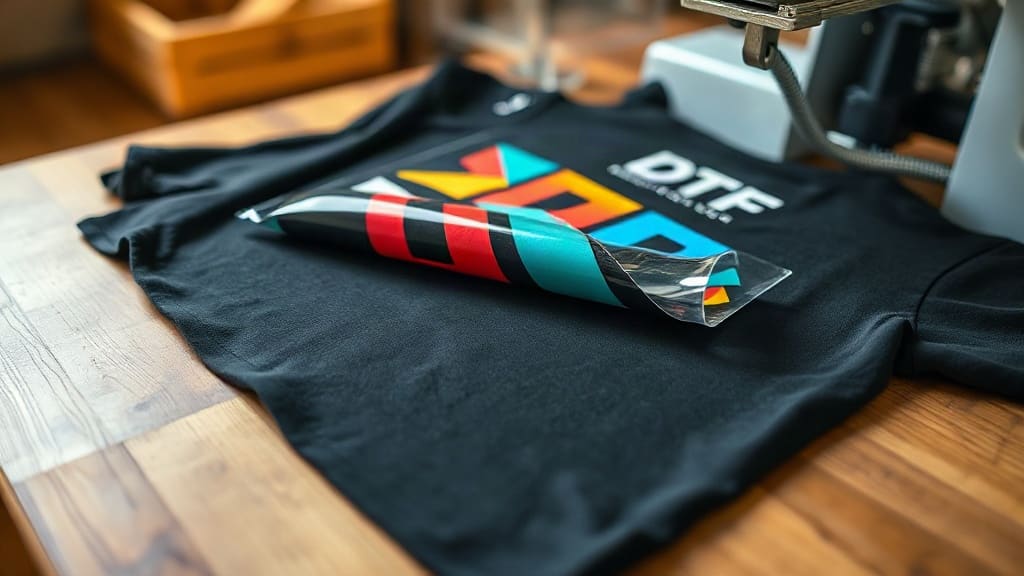
If you’ve been in the custom apparel world for any amount of time, you’ve likely heard about DTF (direct-to-film) printing. It’s one of the fastest-growing technologies in the industry, and for good reason. Unlike traditional methods that require screens or expensive equipment, DTF allows you to print vibrant, detailed designs onto a special film and then transfer them to almost any fabric. Whether you’re a small business owner, a hobbyist, or someone curious about launching a printing side hustle, understanding how DTF works and what it offers can open up new creative and commercial possibilities.
What Is DTF Printing?
DTF stands for direct-to-film. It’s a digital printing process where you print your artwork onto a PET (polyethylene terephthalate) film using special water-based inks, then apply an adhesive powder to the wet ink. After the powder is cured, the film is placed onto a garment and heat-pressed. The result is a durable, stretchable, and soft-feeling transfer that can be applied to cotton, polyester, blends, and even leather or nylon.
The process sounds simple, but the technology behind it is quite sophisticated. The key is the adhesive powder, which creates a strong bond between the ink and the fabric. Unlike heat transfer vinyl (HTV) or screen printing, DTF doesn’t require weeding or complex setup, making it an attractive option for custom orders and short runs.
Why Choose DTF Over Other Methods?
When you compare DTF to screen printing, DTG (direct-to-garment), or vinyl, several advantages become clear. First, DTF prints have excellent color vibrancy and detail, especially on dark fabrics. The white ink layer acts as an underbase, ensuring that colors pop without needing a separate white screen or pretreatment.
Second, DTF transfers can be produced in advance and stored. You can print a batch of designs, powder them, and save them for later use. This flexibility is perfect for on-demand printing, allowing you to fulfill orders quickly without waiting for screens or long production runs.
Third, the process is easier to learn and operate. You don’t need to be a master screen printer to achieve high-quality results. With a good printer, the right film, and proper heat press technique, even a beginner can produce professional-looking apparel.
Let’s dive deeper into the specifics of how DTF works, its costs, and how you can start using it effectively.
How Does DTF Printing Work?
To understand DTF, it’s helpful to break down the process into clear steps:
- Design creation: You create or prepare your artwork in a graphic design program. Ensure that it’s high-resolution and properly sized for your intended garment.
- Printing onto film: You load a PET film into a DTF printer, which uses CMYK plus white ink. The printer lays down a mirrored image (because you’ll be flipping it later) directly onto the film.
- Applying adhesive powder: While the ink is still wet, you sprinkle a hot-melt adhesive powder over the printed area. This powder sticks only to the ink, not the clear film.
- Curing the powder: You pass the film through a dryer or use a heat gun to melt the powder slightly, fusing it to the ink. This creates a squeegee-like layer that will later bond to the fabric.
- Transferring to garment: You cut around the printed design, place it face down on your garment, and apply heat and pressure using a heat press. The adhesive melts and bonds the ink to the fabric fibers.
- Peeling: After pressing, you peel off the film, leaving the design permanently embedded in the fabric.
This process might sound complex, but in practice, it’s quite streamlined. Many DTF printers come with integrated powder shakers and dryers, automating the steps and ensuring consistency.
DTF vs. Other Printing Techniques
Choosing the right printing method depends on your needs. Here’s a quick comparison:
DTF vs. Screen Printing
Screen printing is excellent for large orders because the per-unit cost drops significantly once the screens are made. However, setup is expensive and time-consuming. DTF has no screen setup, making it ideal for small to medium runs, custom one-offs, and complex designs with gradients or photographic elements. For bulk orders of simple designs, screen printing might still be more economical.
DTF vs. DTG
DTG prints directly onto the garment using inkjet technology, similar to a home printer. It’s great for soft prints on cotton, but it requires a pretreatment for dark fabrics and has slower production speeds. DTF transfers can be applied to a wider variety of fabrics and are often more durable on blends. Plus, you can pre-print DTF transfers and use them later, which is a big advantage for events or last-minute orders.
DTF vs. Heat Transfer Vinyl
HTV involves cutting vinyl and weeding out the excess, which is labor-intensive for intricate designs. DTF eliminates weeding entirely. You can print full-color designs with shadows and highlights without any manual cutting. The texture of a DTF print is also softer than vinyl, which feels nicer on the skin.
What Do You Need to Start DTF Printing?
If you’re considering adding DTF to your business or starting fresh, here’s what you’ll need:
- DTF printer: You can convert an Epson or Ricoh printer with a DTF RIP software, or purchase a dedicated DTF printer that comes pre-configured. Prices range from $1,000 to $10,000 depending on features and ink system.
- PET film: Specifically designed for DTF, this film comes in rolls and must be compatible with your ink.
- DTF inks: These are water-based inks that include CMYK and white. The white ink is crucial for printing on dark garments.
- Adhesive powder: A fine thermoplastic powder that activates under heat and pressure.
- Heat press: A clamshell or swing-away press that can reach at least 350°F (175°C) and provide even pressure.
- Optional: Powder shaker and dryer system to automate steps, but you can start with a manual powder application and a heat gun.
One of the most critical factors is the quality of your heat press. A poor press can cause inconsistent adhesion, cracking, or peeling. Invest in a good one to ensure long-lasting transfers.
Cost Considerations for DTF Printing
The initial investment in DTF equipment can be significant, but the ongoing costs are relatively low. Let’s break it down:
Startup Costs
- Printer: $1,000-$5,000 for entry-level to professional models.
- Heat press: $200-$1,500 depending on size and quality.
- Film, ink, and powder: $500-$1,000 to stock up.
- Software and RIP: $100-$500 annually.
Per-Print Costs
For a standard 10x10 cm (4x4 inch) design, you might spend around $0.20 to $0.50 on film, ink, and powder. Larger designs will cost more. Compared to screen printing for small orders, DTF is often more cost-effective because there’s no setup charge.
Additionally, DTF transfers can be sold individually. Many print shops offer DTF transfer services where they print the film and powder it, then sell it to customers who apply it themselves. This creates an additional revenue stream.
Best Practices for High-Quality DTF Prints
Getting great results with DTF requires attention to detail. Here are some tips:
- Use high-resolution images: Aim for at least 300 DPI to avoid pixelation.
- Calibrate your printer: Regularly check color output and adjust ICC profiles.
- Handle the white ink correctly: White ink is thicker and can settle. Keep it agitated and ensure proper circulation.
- Apply the right amount of powder: Too little powder results in poor adhesion; too much creates a rough texture. Test to find the sweet spot.
- Ensure even heat and pressure: Preheat your garment, then press at the correct temperature and time, usually around 320°F to 350°F for 10-20 seconds.
- Peel warm or cold? Follow the manufacturer’s instructions. Some films require hot peel, others cold.
Common Problems and How to Fix Them
Even experienced printers encounter issues. Here are a few:
- Washing out: If the design fades after washing, you likely need a higher press temperature or longer time. Also, ensure you’re using quality powder.
- Cracking: This can happen if you use too much adhesive powder or press at excessive heat. Adjust your powder levels and temperature.
- Poor color vibrancy: Increase the number of white ink layers or adjust your color profile. Sometimes the film isn’t compatible with your ink.
- Adhesive residue: If the powder spreads beyond the ink, you might be applying it too thickly. Shake off excess before curing.
Remember that practice makes perfect. Keep a log of your settings for different fabric types to develop a consistent, reliable process.
Scaling Your DTF Business
Once you master DTF printing, you can scale in several ways:
- Offer DTF transfer services: Sell pre-printed films to other crafters and businesses.
- Focus on niche products: Print on items like tote bags, caps, or even mouse pads that are hard to customize with other methods.
- Build an online store: Use print-on-demand platforms or your own e-commerce site to sell custom apparel.
- Partner with local businesses: Offer DTF printing for sports teams, events, and corporate merchandise.
The versatility of DTF makes it a fantastic opportunity for entrepreneurs who want to enter the custom apparel market without the heavy overhead of traditional methods.
Frequently Asked Questions
What is the difference between DTF and DTG printing?
DTG (direct-to-garment) prints directly onto the fabric using an inkjet printer. It works best on 100% cotton and requires pretreatment for dark colors. DTF prints onto a film first, then transfers to the garment. It works on a wider variety of fabrics and can be stored for later use, making it more flexible for on-demand production.
How long do DTF prints last?
With proper application and care, DTF prints can last for many washes. The key is to ensure a strong bond during pressing. Use a good quality powder and follow the recommended pressing temperature and time. Washing in cold water and turning garments inside out can prolong the life of the design.
Can I use a regular inkjet printer for DTF?
No, you cannot use a regular office inkjet printer because DTF requires a special printer that can handle white ink and film. White ink is pigmented and thicker than standard inks, so it needs a printer with a bulk ink system and piezo printheads, like Epson or Ricoh models that are converted for DTF.
Is DTF printing expensive to start?
Starting costs can be high if you buy a dedicated DTF printer, but you can begin with a converted printer and manual powder application for around $1,500 to $2,000. This includes the printer, heat press, and initial supplies. As you grow, you can invest in more automated systems.
What fabrics are best for DTF transfers?
DTF transfers work best on polyester, cotton, and blends. They also adhere well to nylon, leather, and even canvas. For very stretchy or waterproof materials, you may need to adjust your pressing time and temperature to ensure a durable bond.
Final Thoughts
DTF printing is more than just a trend; it’s a game-changer for custom apparel. Its ability to produce vivid, detailed designs on a wide range of fabrics with minimal setup makes it accessible to everyone from hobbyists to large-scale producers. By understanding the process, investing in quality equipment, and following best practices, you can create products that delight your customers and grow your business. Whether you’re making a few shirts for a family reunion or launching a full-scale print shop, DTF offers a versatile and profitable path forward.