
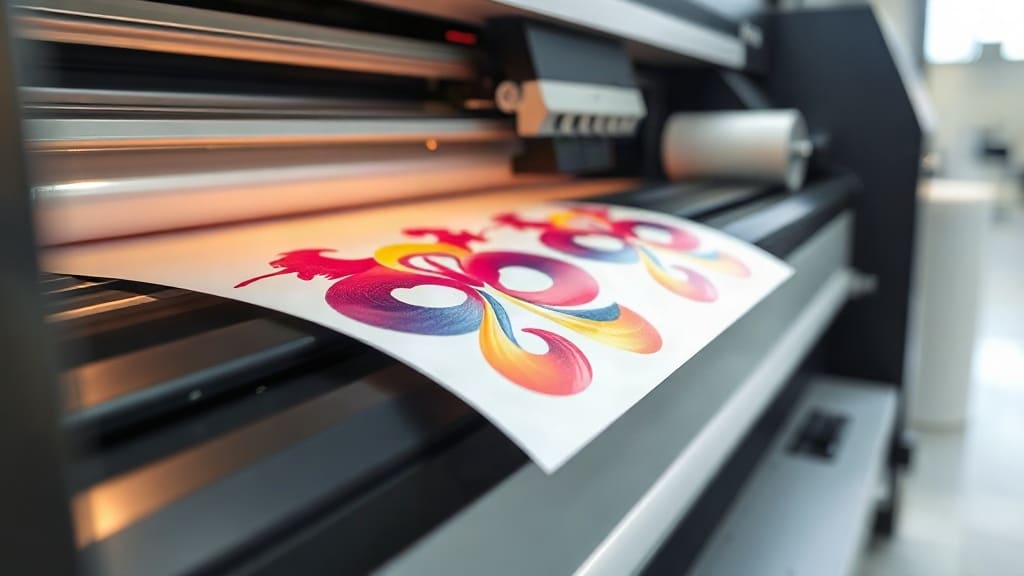
If you're searching for DTF (Direct to Film) transfers, you're probably looking for a way to create vibrant, durable custom prints for t-shirts, hoodies, and other apparel. Unlike traditional screen printing, DTF transfers offer incredible detail and flexibility, making them a top choice for small businesses and hobbyists alike. But with so many options available, how do you find the best dtf transfers near me? In this guide, I'll walk you through everything you need to know, from what to look for in a provider to how to ensure you get the best quality for your money.
What Are DTF Transfers and Why Are They So Popular?
Direct to Film printing is a process where a design is printed onto a special PET film using a modified inkjet printer, then covered with adhesive powder and cured. The resulting transfer is heat-pressed onto fabric, leaving a soft, stretchy, and durable print that can be applied to cotton, polyester, blends, and even hard surfaces like mugs and caps.
The appeal of DTF transfers lies in their versatility. Unlike screen printing, there are no setup costs, making it ideal for small orders or one-off designs. The colors are vibrant, and the prints withstand repeated washing without cracking or fading. It's no wonder that DTF has become a go-to method for custom apparel businesses.
How to Identify a Reliable DTF Transfer Provider
When you search for "dtf transfers near me," you'll likely get a mix of online services and local print shops. Both can be great, but they come with different pros and cons. Here's what to consider:
1. Quality of Materials
The durability and look of your transfer depend heavily on the film, ink, and adhesive powder used. High-quality providers use premium PET film and specialized DTF inks that produce sharp, vivid colors. Ask about their materials or look for reviews that mention print longevity and feel.
2. Print Resolution and Detail
If your design includes fine lines or small text, you need a printer that can handle high resolution. A good DTF transfer should have crisp edges and no blurring. Ask for samples or proof of their work before committing.
3. Turnaround Time and Shipping
For local providers, you might be able to pick up your order in person, which is a big plus if you're in a hurry. Online services may offer fast shipping, but be mindful of production times. Look for providers that clearly state their turnaround times and offer tracking.
4. Pricing and Minimum Orders
One of the great things about DTF is that you can order just a few transfers, but some companies require a minimum quantity. Compare pricing per transfer, keeping in mind that larger orders often come with discounts. Also, watch out for hidden fees like setup costs or shipping charges.
Local vs. Online DTF Transfer Services
Your choice between a local shop and an online service depends on your needs. If you value personal interaction and want to see the product before mass production, a local printer is the way to go. You can bring in your own garments for them to press, or even get advice on design and placement.
On the other hand, online services often have lower prices due to scale and can handle bulk orders more efficiently. They also offer a wide range of customization options, including white toner printing for dark garments. However, you'll need to factor in shipping time, and you won't be able to inspect the transfer physically until it arrives.
To find quality local options, don't just rely on a Google search. Check social media groups for local apparel makers, visit fabric stores or print shops that might offer recommendations, and always read reviews on platforms like Yelp or Trustpilot.
Understanding DTF Transfer Quality: What to Look For
Not all DTF transfers are created equal. Here are some key indicators of a high-quality product:
- Print resolution: A 300 DPI or higher is essential for sharp details.
- Adhesive powder coverage: Even and thorough coating ensures proper adhesion.
- Color vibrancy: Colors should be rich and not faded, even on dark fabrics.
- Wash test: A good transfer should withstand at least 30 washes without cracking.
- Stretchability: The print should move with the fabric without breaking.
When you receive a sample, do a wash test and stretch test to see how it holds up. Also, check the edges for any lifting or peeling.
Step-by-Step Guide to Ordering DTF Transfers
Ready to order? Here's a simple process to ensure you get the best results:
- Prepare your design: Use high-resolution vector files (PNG, AI, PDF) with transparent backgrounds for best results.
- Choose your provider: Based on the criteria above, select a service that meets your quality and budget needs.
- Upload your design: Follow the provider's guidelines for file format and sizing.
- Specify details: Indicate the size, quantity, and whether you need white underbase for dark garments.
- Review a proof: Many providers offer a digital proof before production. Check it carefully.
- Place your order: Confirm and pay, then wait for delivery or pickup.
- Apply the transfer: Use a heat press at the recommended temperature and pressure (usually 320°F for 10-15 seconds).
Top Tips for Using DTF Transfers Effectively
To get the most out of your DTF transfers, keep these tips in mind:
- Always test a sample on the actual fabric you'll be using.
- Follow the pressing instructions carefully; temperature and time are critical.
- Pre-press your garment to remove moisture and wrinkles.
- Use a Teflon sheet or parchment paper to protect the transfer during pressing.
- After pressing, peel the film while hot or cold depending on the supplier's recommendation.
Frequently Asked Questions About DTF Transfers
How much do DTF transfers cost?
Pricing varies based on size, quantity, and complexity. On average, a single 12x12 inch transfer can cost between $3 and $8, but bulk orders can bring the price down significantly. Always get a quote for your specific design.
Can I use DTF transfers on any fabric?
Yes, DTF transfers work on a wide range of fabrics, including cotton, polyester, blends, and even leather and canvas. They are especially great for dark fabrics because of the white underbase layer.
How do I store unused DTF transfers?
Keep them in a cool, dry place away from direct sunlight. They should be stored flat or rolled, but not folded, to prevent the adhesive from creasing. Properly stored, they can last for months.
What if I make a mistake during pressing?
If the transfer doesn't adhere properly, you can re-press it, but note that the adhesive may not bond as well the second time. It's best to do a test press first with a small piece to perfect your technique.
Can I order DTF transfers in small quantities?
Yes, many providers offer no minimum order, making it possible to order just one transfer. However, smaller orders may have a higher per-unit cost.
Conclusion
Finding the best DTF transfers near you doesn't have to be a challenge. By understanding what to look for in terms of quality, price, and service, you can make an informed decision that meets your apparel needs. Whether you choose a local printer for hands-on support or an online service for convenience, remember to test samples and ask questions. With the right partner, you'll be creating stunning custom apparel in no time.