
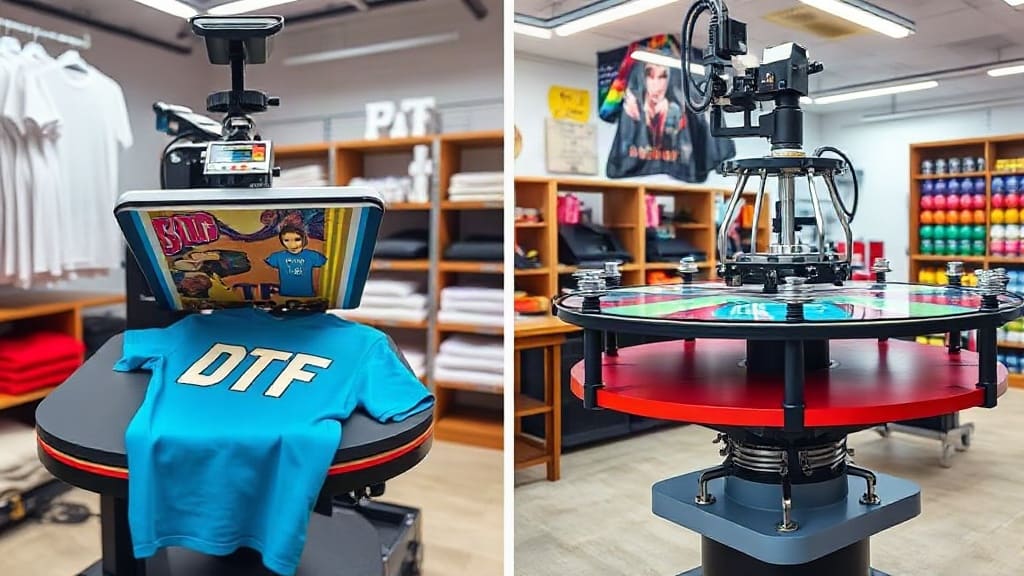
When you're starting a custom apparel business or looking to expand your current offerings, one of the biggest decisions you'll face is choosing the right printing method. For years, screen printing was the standard, but now dtf transfers have emerged as a popular alternative. Many business owners find themselves torn between the two. Each method has its strengths and weaknesses, and the right choice depends on your specific needs, volume, and budget. In this article, we'll dive deep into the differences, costs, durability, and use cases to help you make an informed decision.
Understanding DTF Transfers
DTF (Direct to Film) printing involves printing your design onto a special PET film, applying adhesive powder, and then heat-pressing the film onto the garment. This method allows for vibrant colors, high detail, and works on a variety of fabrics, including cotton, polyester, and blends. Because the design is transferred from the film, you can print on demand without needing screens or extensive setup.
How DTF Transfers Work
The process involves a dedicated DTF printer that prints the design with white ink as a base, then CMYK colors on top. The film is coated with a hot-melt adhesive powder, which is shaken off and cured. When you're ready to apply, you place the film on the garment and apply heat and pressure with a heat press. After peeling, the design is permanently bonded to the fabric. This method is known for its soft hand-feel and excellent stretchability, making it ideal for activewear and sportswear.
Understanding Screen Printing
Screen printing, also known as silk screening, uses a mesh screen to transfer ink onto a substrate, except in areas made impermeable to the ink by a blocking stencil. Each color requires a separate screen, and the process is repeated for each color in the design. This method is highly durable and cost-effective for large orders, but it has a higher setup cost and takes more time for initial setup.
How Screen Printing Works
You create a stencil for each color, place it on a screen, and then push ink through the mesh onto the garment using a squeegee. For multi-colored designs, you need to align each screen precisely, which requires skill and time. Once the screens are made, printing is fast and efficient, making it ideal for bulk orders.
Cost Comparison
Cost is often the deciding factor. Screen printing has a higher upfront cost due to screen creation, but the per-unit cost drops significantly with quantity. DTF transfers have lower setup costs, making them more affordable for small runs and single items.
Setup Costs
For screen printing, you'll need to pay for each screen, which can range from $20 to $50 per color. If you're printing a 4-color design, that's $80 to $200 just in screens. DTF transfers require no setup other than printing the film, which is negligible. This makes DTF more cost-effective for short runs.
Per-Unit Costs
Screen printing's per-unit cost decreases as you order more, often becoming cheaper than DTF for orders exceeding 50 or 100 pieces. DTF transfers have a consistent cost per transfer, which might be higher than screen printing for large quantities but is unbeatable for small orders.
Hidden Costs
Screen printing involves chemicals, reclaiming screens, and labor, which can add up. DTF printers require maintenance, and you need to purchase film, adhesive powder, and ink. But you can also outsource DTF transfers to third-party providers, eliminating the need for equipment.
Quality and Detail
Both methods can produce high-quality prints, but they excel in different areas.
Color Vibrancy and Detail
DTF transfers offer exceptional color vibrancy and can reproduce intricate details like gradients and small text with ease because they use digital printing. Screen printing, on the other hand, struggles with gradients and photorealistic images unless you use halftones, which can reduce detail.
Texture and Feel
DTF transfers have a soft hand feel, similar to screen printing, but some users report that DTF prints have a slightly rubbery texture. However, advancements in adhesive powders have improved this. Screen printing can vary depending on the ink used; plastisol inks are thicker, while water-based inks are softer.
Durability
Durability is critical for apparel that will be washed frequently. Screen printing is known for its longevity, but DTF transfers have improved significantly.
Washability
Modern DTF transfers are designed to withstand over 50 washes without cracking or fading, especially when applied correctly. Screen printing also holds up well, but lower-quality inks or improper curing can lead to cracking. Both methods require proper care to maintain longevity.
Stretchability
DTF transfers are highly stretchable, making them ideal for sportswear. Screen printing can crack when stretched if not done correctly, but using elastomeric inks can improve stretchability.
Versatility and Use Cases
Your choice may depend on what you're printing and for whom.
Fabric Compatibility
DTF transfers work on a wide range of fabrics, including dark and light colors, without needing pre-treatment. Screen printing on dark fabrics often requires an underbase, which adds cost and time. DTF simplifies this process.
Order Flexibility
DTF transfers shine when you need small quantities, custom orders, or print-on-demand. Screen printing is more efficient for large bulk orders where the same design is repeated. If your business thrives on variety, DTF is likely your best bet.
Turnaround Time
DTF transfers can be printed on demand, so you can fulfill orders quickly. Screen printing requires setup time, so it's not ideal for urgent orders.
Pros and Cons Summary
- Pros of DTF Transfers: Low setup cost, no minimum order, vibrant colors, high detail, works on many fabrics, easy to outsource.
- Cons of DTF Transfers: Per-unit cost higher for large orders, requires special equipment if done in-house, potential quality variation from suppliers.
- Pros of Screen Printing: Low per-unit cost for bulk orders, highly durable, long-lasting, good for simple designs with solid colors.
- Cons of Screen Printing: High setup cost, time-consuming for small runs, less detail and color options, not suitable for small orders.
How to Choose the Right Method
To decide between DTF transfers and screen printing, consider your business model:
- If you're just starting and have limited capital, DTF transfers allow you to test the market without a huge investment.
- If you receive large orders (50+ pieces) with simple designs, screen printing will save you money in the long run.
- If you offer a wide range of designs and sizes, DTF transfers give you flexibility without needing to hold inventory.
- If you prioritize eco-friendliness, look into water-based screen printing or DTF with eco-friendly inks.
Frequently Asked Questions
Can DTF transfers be used on dark shirts?
Yes, dtf transfers work exceptionally well on dark fabrics because the white ink base ensures the design stands out. You don't need an underbase or pre-treatment, unlike screen printing.
How long do DTF transfers last?
Properly applied DTF transfers can last over 50 washes without cracking or fading. The key is to use high-quality materials and follow the correct heat press settings.
Is screen printing cheaper than DTF for small orders?
No, for small orders (under 20 pieces), DTF is significantly cheaper because there's no screen setup fee. Screen printing only becomes cost-effective for larger quantities.
Can I do DTF transfers at home?
Yes, you can purchase a DTF printer and heat press for home use, but it requires a significant investment. Alternatively, you can order dtf transfers from a supplier and only need a heat press to apply them.
Which method is more eco-friendly?
Screen printing often uses plastisol inks that contain PVC, which is less eco-friendly. DTF uses water-based inks, but the film and adhesive powder are not biodegradable. Water-based screen printing is a more sustainable option.
Final Thoughts
Both DTF transfers and screen printing have their place in the custom apparel industry. The best choice depends on your specific needs: order volume, design complexity, budget, and turnaround time. For many small businesses and print-on-demand services, DTF transfers offer an accessible and versatile solution. For large-scale operations focused on bulk orders, screen printing remains a reliable and cost-effective method. By understanding the nuances of each, you can make a choice that aligns with your business goals and customer expectations.