
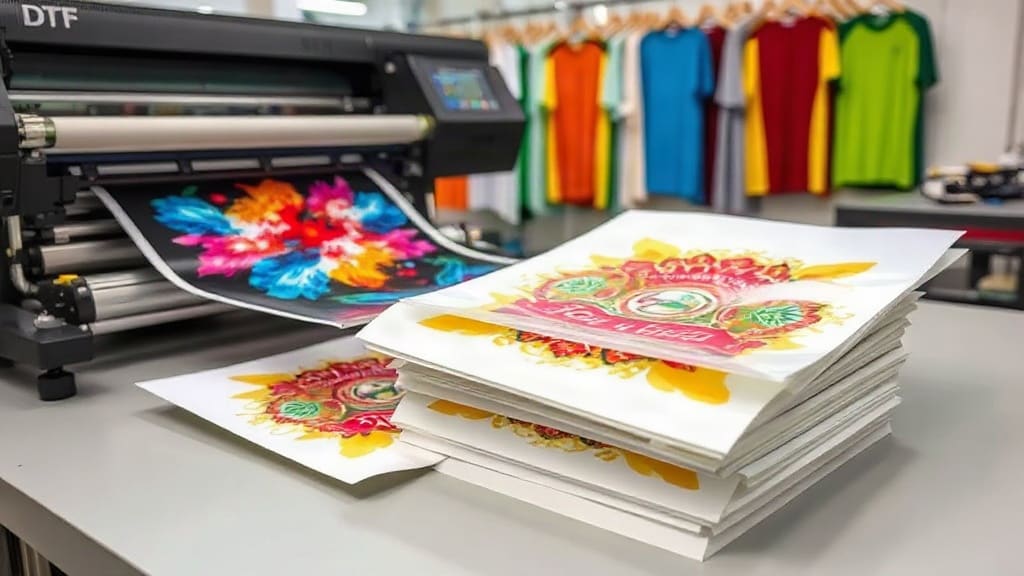
If you're in the custom apparel business, you've likely heard about DTF transfers. This innovative printing method has taken the industry by storm, offering a versatile and cost-effective way to produce vibrant designs on various fabrics. Whether you're just starting or looking to refine your skills, understanding the ins and outs of DTF can elevate your products and satisfy your customers like never before. In this comprehensive guide, we'll walk you through everything you need to know, from the basic steps to advanced tips and common pitfalls.
What Are DTF Transfers?
DTF stands for Direct to Film. It's a printing process where a design is printed onto a special film, coated with adhesive powder, and then heat-pressed onto a garment. Unlike traditional screen printing or heat transfer vinyl, DTF allows for high-detail, full-color prints with a soft hand feel. The versatility of DTF is unmatched: you can print on cotton, polyester, blends, and even materials like denim or canvas. For businesses, DTF transfers offer the flexibility to produce custom orders on demand without the need for screens or extensive setup.
The DTF Process: Step by Step
Understanding the complete process is crucial for achieving consistent results. Here's a breakdown of how DTF transfers are made and applied.
Printing the Design
Everything begins with a high-resolution design. You'll need a DTF printer, which is typically an Epson or similar inkjet printer modified for DTF inks. The printer uses white, cyan, magenta, yellow, and black inks (plus often a white underbase). The design is printed in reverse on a PET film. The white ink layers are crucial because they provide opacity, ensuring colors pop on dark garments.
Applying Adhesive Powder
After printing, while the ink is still wet, a hot-melt adhesive powder is applied evenly over the design. This powder is what bonds the transfer to the fabric during the heat press. Excess powder is removed, and then the film is dried, usually with a heat source like a tunnel dryer or a heat press, to melt the powder and set it.
Heat Pressing
Now comes the moment of truth. Place the transfer on the garment with the film side up. Press it with a heat press at around 320°F (160°C) for about 15 seconds with medium to firm pressure. After pressing, you can peel the film either hot or cold, depending on the type of film and adhesive. For best results, we recommend doing a cool peel for sharper edges.
Choosing the Right Materials for DTF
Quality materials are the bedrock of successful DTF transfers. Let's explore what you need to get the best results.
PET Films
Not all films are created equal. Look for PET films specifically designed for DTF, with good ink absorption and anti-static properties. The film should be clear, allowing you to see the design, and it should release cleanly from the garment after pressing.
Inks
Use high-quality DTF inks that are compatible with your printer. Pigment-based inks are standard, offering vibrant colors and durability. Make sure the white ink is highly opaque to ensure designs pop on dark fabrics.
Adhesive Powders
The adhesive powder should have a low melting point and excellent bonding strength. There are different particle sizes; fine powders work best for detailed designs, while coarser ones are for larger prints. Also, consider the stretchability of the adhesive, especially for sportswear.
Tips for Flawless DTF Prints
Even with top-notch materials, technique matters. Here are some practical tips to improve your DTF transfer results.
Print Settings and Calibration
Ensure your printer is calibrated correctly. Adjust the print head height and use the right color profile. Test prints are essential to verify color accuracy and ink density. Since white ink is thicker, you might need to shake your cartridges regularly to prevent settling.
Powder Application
When applying the adhesive powder, make sure the layer is even. Use a powder shaker or a dedicated machine. After shaking off the excess, inspect the design for any missed spots. The powder should cover all ink areas but not overflow onto the bare film, which can cause unwanted sticking.
Heat Press Techniques
Temperature and pressure can make or break your transfer. Use a heat press, not a home iron. Preheat the garment to remove moisture. Press with consistent pressure; a clamshell press is fine, but a swing-away press offers more even pressure. After pressing, peel the film at the recommended temperature. If you peel hot, be careful; if cold, wait a few minutes.
Common Problems and How to Fix Them
No method is without its quirks. Here are frequent issues you might encounter with DTF and how to resolve them.
Poor Adhesion
If your transfer peels off easily, the adhesive might not have activated fully. Increase the pressing time or temperature slightly. Also, ensure the adhesive powder is evenly applied and not too old.
Cracking or Peeling After Wash
This often results from insufficient adhesive or poor-quality powder. Use a powder with better elasticity, and consider adding a second layer of powder for high-stretch areas. Also, make sure the transfer is fully cured before washing; wait at least 24 hours.
White Ink Issues
White ink can be finicky. If it appears transparent or streaky, you may need to increase the number of white underbase layers or adjust the print head alignment. Regular cleaning of the print head prevents clogs.
DTF vs. Other Transfer Methods
To appreciate DTF fully, it's helpful to compare it with alternatives like screen printing and HTV.
Screen Printing
Screen printing is excellent for large quantities due to its low per-unit cost after setup. However, setup is expensive and time-consuming, and it's not cost-effective for small runs. DTF shines for small to medium quantities, offering similar durability and color vibrancy without the setup hassle.
Heat Transfer Vinyl (HTV)
HTV is great for simple designs with few colors. One-color logos or text are easy with HTV, but multicolor designs require layering, which is tedious and can feel stiff. DTF prints full-color designs in one pass, with a softer hand feel.
Scaling Your Business with DTF Transfers
For entrepreneurs, DTF transfers open up a world of opportunities. You can start with a small investment and expand as your orders grow. Offering custom DTF transfers to other businesses is a lucrative model. Many local brands lack the capacity for in-house printing. By offering wholesale DTF transfers, you can tap into a steady revenue stream.
When scaling, consider investing in a larger printer and a conveyor dryer to increase production speed. Maintain a stock of popular design templates to offer quick turnaround. And always prioritize quality: a bad transfer can harm your reputation.
Frequently Asked Questions
How long do DTF transfers last?
With proper application and care, DTF transfers can last as long as the garment itself. They withstand multiple washes without fading or cracking, especially when using high-quality materials. To maximize lifespan, wash in cold water and avoid harsh detergents.
Can I use DTF transfers on any fabric?
Yes, DTF transfers work on a wide range of fabrics, including cotton, polyester, blends, and even nylon. However, the results may vary on very stretchy or water-repellent fabrics. Always test a sample first, and adjust your pressing time and temperature accordingly.
What equipment do I need to start making DTF transfers?
You'll need a DTF printer (or a converted inkjet printer), DTF inks, PET film, adhesive powder, a heat press, and a drying mechanism like a heat gun or a dryer. The investment can range from $2,000 to $10,000 depending on the scale you're targeting.
How do I store unused DTF transfers?
Keep your transfers in a cool, dry place, ideally sealed in plastic bags to prevent dust and moisture. They can last for months if stored properly. Avoid exposing them to direct sunlight or heat, as that can activate the adhesive prematurely.
Why is my DTF print cracking after washing?
Cracking often results from an insufficient amount of adhesive powder or incorrect pressing parameters. Ensure the powder covers the entire design, and increase pressing time or temperature a bit. Also, use a stretchable adhesive for garments that undergo a lot of stretching.
Final Thoughts
DTF transfers are a game-changer in the world of custom apparel. They offer a blend of versatility, quality, and affordability that other methods struggle to match. Whether you're a hobbyist or a growing business, mastering DTF can significantly enhance your product offerings. Remember, practice makes perfect. Experiment with different materials, settings, and techniques to find what works best for you. With the insights from this guide, you're well on your way to producing stunning, durable prints that delight your customers and keep them coming back for more.