
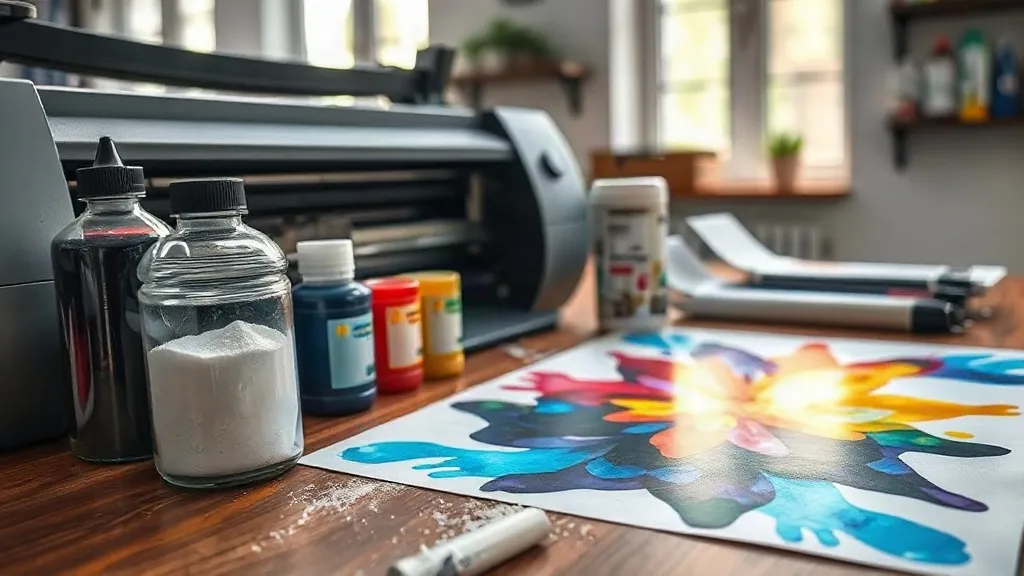
If you run a print shop, you already know that dtf transfers live or die by the details. You can have the best press, the perfect film, and a flawless design file, but if your ink and powder aren't up to par, the final print will show it. I've seen shops burn through film and time because they treated ink and powder as an afterthought. This guide is here to change that. We'll look at what makes a good ink, how to choose the right powder, and how to store both so they stay fresh. By the end, you'll have a clear plan to keep your dtf operation running smoothly and your customers coming back.
Why Ink and Powder Deserve Your Attention
In a DTF workflow, ink and powder are the two components that actually form the image and bond it to the fabric. The film is just a carrier, and the press is the tool. But the ink and powder are the chemistry that determines color vibrancy, adhesion, and wash durability. Skimp on either, and you'll see it in the final product. I've visited shops where they bought the cheapest ink they could find, only to spend hours troubleshooting clogged printheads and faded prints. The money saved on ink was quickly lost in wasted time and reprints.
The Role of Ink
DTF ink is a special formulation. It's not the same as sublimation ink or regular inkjet ink. It needs to sit on a film, dry properly, and then transfer under heat. The key properties are viscosity, pigment particle size, and drying speed. A good DTF ink flows smoothly through the printhead without clogging, dries quickly on the film, and releases cleanly during pressing. Cheap inks often have larger pigment particles that clog printheads and produce grainy prints. They may also dry too slowly, causing smudging when you apply powder.
The Role of Powder
Powder (also called adhesive powder or hot-melt powder) is what makes the ink stick to the fabric. It's typically a thermoplastic polyurethane (TPU) powder that melts under heat and bonds to the fibers. The powder must be fine and uniform, so it adheres evenly to the wet ink. If the powder is too coarse or has clumps, you'll get uneven adhesion, leading to cracks or peeling after washing. The right powder also has a low melting point, so it fuses without scorching the fabric.
Choosing the Right Ink for Your Shop
Not all DTF inks are created equal. When you're shopping for ink, consider these factors:
- Compatibility: Make sure the ink is designed for your printer model and printhead type. Using the wrong ink can void your warranty and damage your printer.
- Pigment quality: Look for inks with high pigment concentration and fine particles. This gives you vibrant colors and smooth gradients.
- Drying time: A fast-drying ink reduces smudging and speeds up production. But if it dries too fast, it can clog the printhead. Find a balance that suits your shop's humidity and temperature.
- Wash durability: Check reviews or ask for samples to test how well the ink holds up after multiple washes. A good ink should maintain color and adhesion.
I always recommend starting with a small batch from a reputable supplier before committing to a large order. Test it on different fabrics and wash cycles. What works for a cotton t-shirt might not work for a polyester blend.
Ink Storage Tips
Ink is sensitive to light, heat, and air. Store it in a cool, dark place, ideally between 15°C and 25°C (59°F to 77°F). Keep bottles tightly sealed when not in use to prevent evaporation and contamination. If you're in a humid climate, consider storing ink in a sealed container with desiccant packs. Also, rotate your stock so you use older ink first. Most inks have a shelf life of about 6 to 12 months, so don't stockpile more than you can use in that time.
Selecting the Right Powder
Powder is often the most overlooked supply, but it's critical. Here's what to look for:
- Particle size: Fine powder (around 80-200 microns) adheres better and produces a smoother finish. Coarse powder can feel gritty and may not melt evenly.
- Melting point: A lower melting point (around 100-120°C) is ideal because it fuses quickly without requiring excessive heat that could damage the fabric or film.
- Composition: TPU powder is the standard for DTF. It offers flexibility and durability. Avoid powders that contain fillers or impurities, as they can cause adhesion issues.
- Flowability: The powder should flow freely without clumping. Clumps lead to uneven application and weak spots in the transfer.
When you find a powder that works, stick with it. Changing powder brands mid-project can introduce variables that affect your results. I've seen shops switch to a cheaper powder and then wonder why their prints started cracking after a few washes.
Powder Storage Tips
Powder absorbs moisture from the air, which causes clumping and poor adhesion. Store powder in an airtight container, preferably with a desiccant pack. Keep it in a dry, cool area away from direct sunlight. If you live in a humid climate, consider investing in a dehumidifier for your storage area. Also, avoid storing powder near inks or other chemicals that could contaminate it. Proper storage can extend the shelf life of powder to a year or more.
Common Ink and Powder Problems and How to Fix Them
Even with good supplies, issues can arise. Here are some common problems and their solutions:
- Clogged printhead: This is often caused by ink drying in the nozzles. Run a daily cleaning cycle and keep your printer in a humid environment (40-60% relative humidity). If a clog occurs, use a cleaning solution specifically designed for DTF ink.
- Uneven powder application: If powder is clumping or not sticking, check the humidity and the powder's storage conditions. Also, ensure the ink is still wet when you apply powder. If the ink dries too fast, you may need to adjust your printer's settings or room humidity.
- Poor adhesion after washing: This can be due to undercuring, low-quality powder, or insufficient pressure during pressing. Make sure your press is calibrated and that you're using the correct time, temperature, and pressure for your materials.
- Faded colors: This usually points to low-quality ink or improper curing. Ensure the ink is fully dried before powdering and that the press fuses the powder completely. Also, check that your printer's color profile is correct.
For more troubleshooting, you might want to look into local resources. If you're searching for dtf transfers near me, you can find suppliers and support that can help you diagnose issues specific to your area's climate and conditions.
Building a Reliable Supply Chain
Consistency is key in a print shop. Once you find an ink and powder combination that works, stick with it. But that means ensuring a steady supply. Here are some tips:
- Buy in bulk: Ordering larger quantities can save money and ensure you have a consistent batch. However, only buy what you can use within the shelf life.
- Keep backups: Always have at least one spare bottle of ink and a bag of powder on hand. Running out mid-job is a nightmare.
- Track batch numbers: If a problem arises, you can trace it back to a specific batch. This helps with quality control and supplier communication.
- Build a relationship with your supplier: A good supplier can provide technical support and alerts about any formulation changes. They can also offer samples of new products.
I've seen shops that switch suppliers frequently to save a few bucks, but they end up spending more on waste and reprints. Loyalty to a reliable supplier often pays off in the long run.
Frequently Asked Questions
How often should I replace my DTF ink?
Ink should be used within 6 to 12 months of opening, depending on the manufacturer's recommendation. Check the expiration date on the bottle and rotate your stock. If you notice changes in color or consistency, it's time to replace it.
Can I use any powder for DTF transfers?
No, you need a specifically formulated DTF powder, typically TPU-based. Using other powders, like embossing powder or baking soda, will not give you proper adhesion and durability. Always use powder designed for DTF.
What's the best way to store powder to prevent clumping?
Store powder in an airtight container with a desiccant pack, in a cool, dry place. Avoid humid areas. If clumps form, you can sift the powder before use, but it's better to prevent clumping through proper storage.
How can I tell if my ink is clogging the printhead?
Signs include streaks in the print, missing nozzles, or a grinding noise from the printer. Run a nozzle check pattern. If you see gaps, run a cleaning cycle. Persistent clogs may require a more thorough cleaning or a new printhead.
Do I need to adjust settings for different fabrics when using DTF?
Yes, different fabrics may require adjustments in press temperature, pressure, and time. For example, heat-sensitive fabrics like polyester need lower temperatures. Always test on a scrap piece first.
Mastering ink and powder is a journey, but with the right knowledge and supplies, you can achieve consistent, high-quality dtf transfers that keep your customers happy. Remember, the cheapest option isn't always the most economical in the long run. Invest in quality, store properly, and troubleshoot systematically. Your prints, and your bottom line, will thank you.