
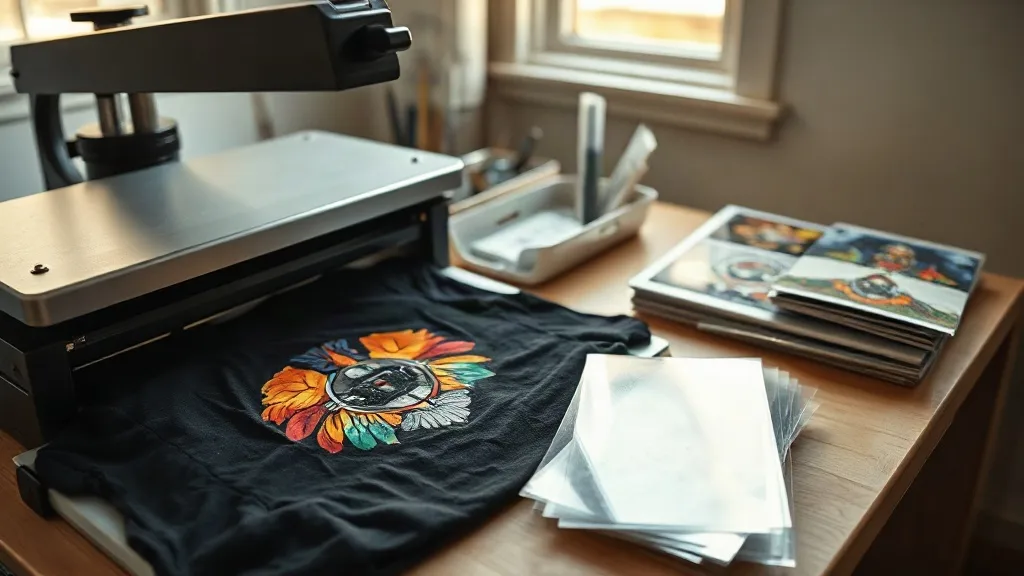
If you have spent any time in a print shop or a small apparel business lately, you have probably noticed that dtf transfers have quietly taken over a lot of shelf space that used to belong to vinyl and screen printing. There is a good reason for that. DTF, which stands for direct to film, lets you print a full-color design onto a film sheet, dust it with adhesive powder, and then heat press it onto a garment. No cutting, no weeding, no color separations. For anyone who has spent an evening picking tiny letters out of a sheet of heat transfer vinyl, that is a genuine relief.
But the technology is also easy to misunderstand, and a lot of people burn money on transfers that were never going to work for their fabric or their press. This guide is written from the perspective of someone who has pressed thousands of them, ruined more than a few, and learned the difference between a transfer that looks good on day one and one that survives twenty washes.
How DTF Actually Works, in Plain Terms
A dtf print starts as a digital image. A printer lays down CMYK inks plus a white ink layer onto a special PET film. While the ink is still wet, a thermoplastic adhesive powder is applied and then melted into the ink, usually with a powder shaker and a curing oven or a heat press. What you end up with is a flexible, slightly tacky sheet of pigment and adhesive that can be stored, shipped, and pressed later.
That powder layer is the part that matters most, and it is also the part that separates good transfers from bad ones. Too little powder and the design peels in the wash. Too much and you get a stiff, plasticky hand feel with a halo of adhesive around the edges. When you buy from a supplier, you are largely paying for their control over this step.
Why the white layer changes everything
Traditional inkjet printing on paper assumes a white background. DTF does not. The white ink layer sits underneath the color, which is why a DTF transfer can go onto a black t-shirt and still show a bright yellow logo. This is the single biggest practical advantage over dye sublimation, which only works properly on light polyester. If your customer base orders dark cotton hoodies, DTF solves a problem that sublimation simply cannot.
Which Fabrics Work and Which Ones Fight Back
Cotton takes DTF beautifully. So do cotton-poly blends, canvas, and most natural fibers. The adhesive bonds to the fiber surface, and as long as you have enough pressure and heat, the result is a soft, stretchy print that moves with the garment.
Things get more complicated with the following:
- Heavily treated nylon and coated polyester: the coating can repel the adhesive, leading to edges that lift after a few washes.
- Waterproof or DWR-finished jackets: the finish is literally designed to stop things from sticking.
- Very stretchy spandex blends: the print will hold, but if the garment stretches beyond the ink's elasticity, you get cracking.
- Mesh and open-weave fabrics: the adhesive grabs the threads but there is not enough surface area for a clean edge, so fine detail can look ragged.
A quick test press on an offcut before committing to a full order will save you an expensive lesson. I keep a small bin of scrap fabric near the press specifically for this, labeled by material, and it has paid for itself many times over.
Press Settings That Actually Hold Up
Every film brand publishes recommended settings, and you should start there. That said, presses vary enormously in how accurately they report temperature and how evenly they distribute pressure, so published numbers are a starting point rather than gospel.
A reliable baseline to work from
- Pre-press the garment for three to five seconds to remove moisture. Damp fabric is the most common cause of poor adhesion.
- Set the press to around 150 to 160 degrees Celsius, or roughly 300 to 320 Fahrenheit.
- Press with medium to firm pressure for 10 to 15 seconds.
- Let the sheet cool completely before peeling. Hot peel is possible with some films, but cold peel is more forgiving and gives cleaner edges.
- Cover with a Teflon sheet or parchment and press again for five seconds to lock the adhesive into the fibers.
That final second press is the step most people skip, and it is the one that most improves wash durability. It costs five seconds and it roughly doubles the life of the print in my experience.
Pressure problems are usually mechanical
If transfers keep failing on one side of the platen and not the other, the issue is rarely the film. It is usually uneven pressure from a worn silicone pad, a press that is not level, or a garment seam sitting under the design. Check the mechanical side before you blame the transfer.
Wash Durability: Setting Realistic Expectations
A properly applied DTF print on cotton will typically survive thirty or more home washes without meaningful fading or cracking. That is a realistic figure, not a guarantee, and it assumes the garment is washed inside out in cold water and tumble dried on low or hung to dry.
What kills DTF prints faster than anything else is heat and abrasion. A hot dryer cycle combined with a heavy zipper or a rough towel in the same load will wear the print down quickly. If you are selling to customers, a small care card inside the package is worth the printing cost, because it reduces complaints and returns.
One more thing worth knowing: DTF prints feel slightly different from screen prints. They have a soft, rubbery hand with a faint texture from the powder. On lightweight summer fabrics, this can be noticeable. On hoodies and heavier cottons, most people cannot tell the difference.
Ordering Online Without Getting Burned
Plenty of people search for dtf transfers near me hoping to find a local shop that can turn an order around the same day. Local is genuinely useful when you need a single sample fast or want to inspect quality in person. But for volume work, online suppliers often win on price and consistency, and the good ones ship quickly enough that the difference rarely matters.
Wherever you order from, a few checks separate reliable suppliers from the rest:
- Ask for a sample pack first. Any serious supplier will offer one. Press it, wash it, and judge for yourself.
- Check the white ink opacity. Thin white layers look grey on dark garments.
- Look at edge definition on small text. Fuzzy six-point type is a sign of a poorly maintained printer.
- Confirm gang sheet dimensions. Most suppliers sell by the sheet, so knowing how to lay out a gang sheet efficiently directly affects your cost per print.
- Ask about powder and film brand. Vague answers are a warning sign.
Gang sheet layout deserves its own mention. Rotating designs to fit tighter, grouping similar sizes, and leaving a small gutter between images can increase how many prints fit on a sheet by twenty percent or more. Over a few hundred sheets, that adds up to real money.
Common Mistakes Worth Avoiding
Peeling too early is the classic error. The adhesive is still molten and it stretches instead of releasing cleanly, which leaves jagged edges and a dull finish. Wait for it to cool.
Pressing over seams, buttons, or zippers is the second. The design cannot bond evenly over an uneven surface, and those spots will lift first. Either reposition the design or use a pressing pillow to raise the area around the obstruction.
Finally, storing transfers badly. Keep them flat, dry, and away from direct heat. A stack of sheets left in a hot car will curl and the powder can migrate, and curled film is much harder to press cleanly.
Frequently Asked Questions
Can you layer DTF transfers on top of each other?
Yes, and it is a useful technique for adding a name or number over an existing print. Press the base design fully, let it cool, then press the second layer for slightly less time. Keep the stack to two layers where possible, since three or more starts to feel heavy and stiff.
How long can you store unused DTF transfers?
Stored flat in a cool, dry place away from sunlight, most transfers stay usable for six to twelve months. Humidity is the main enemy, so a sealed bag with a desiccant pack is a sensible precaution if you live somewhere damp.
Do DTF transfers work on 100 percent polyester?
They do, though the result depends on the fabric finish. Untreated polyester bonds well. Polyester with a silicone or waterproof coating needs a test press first, because the coating can prevent proper adhesion. Lowering the press temperature slightly also helps avoid any risk of the fabric glazing.
Is DTF cheaper than screen printing?
For short runs and one-off designs, almost always. There are no setup costs, no minimum quantities, and no screen reclaiming. For large runs of a single design in one or two colors, screen printing still wins on per-unit cost. The crossover point is usually somewhere in the low hundreds of units, depending on the design.
Why did my transfer crack after the first wash?
In most cases it comes down to insufficient pressure, pressing on damp fabric, or skipping the final cover press. Less often, it is an under-powdered transfer from the supplier. If the cracking follows the edges of the design rather than the artwork itself, suspect the press. If it cracks across the middle of solid color areas, suspect the film.
DTF is not a magic bullet, but it is one of the most flexible decoration methods available right now, and it rewards people who take the time to understand the variables. Get your pressure, temperature, and cooling right, test on scrap before you commit, and buy from a supplier whose samples you have actually washed. That combination will put you ahead of most of the competition.