
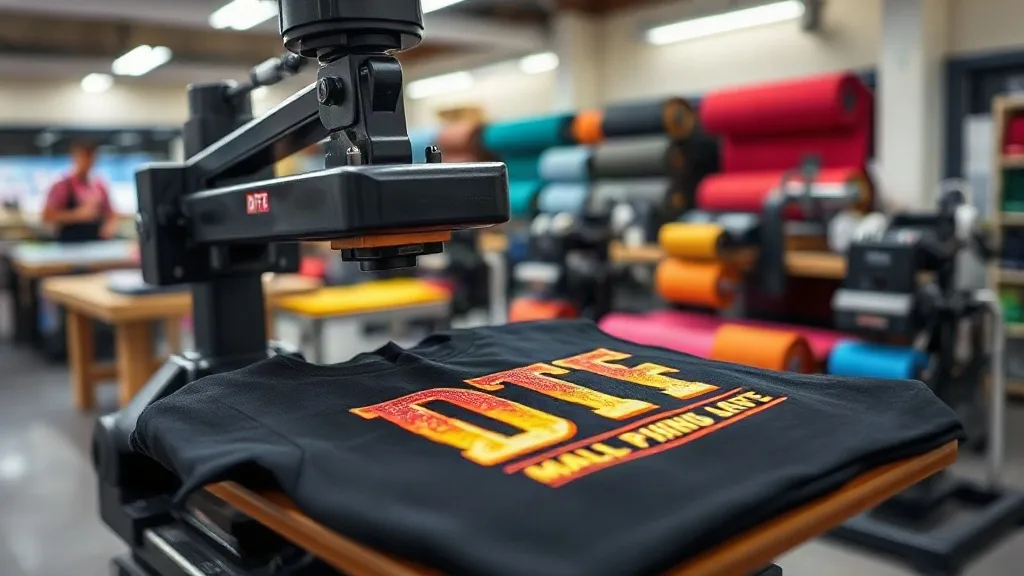
When it comes to custom apparel, achieving vibrant, durable prints that withstand the test of time is a top priority. dtf transfers have emerged as a game-changer in the garment decoration industry, offering unparalleled versatility and quality. Whether you're a small business owner, a hobbyist, or a large-scale producer, understanding DTF technology can elevate your creations. In this guide, we'll explore what dtf transfers are, their advantages, the step-by-step process, and how to locate reliable dtf transfers near me to meet your needs.
What Are DTF Transfers?
DTF stands for Direct to Film. It's a printing method where designs are printed onto a special film, then coated with a powder adhesive and heat-pressed onto fabric. Unlike DTG (Direct to Garment) or screen printing, dtf transfers work on a wide range of materials, including cotton, polyester, blends, and even nylon. The process involves creating a digital print on a PET film, applying a thermoplastic polyurethane (TPU) powder, and curing it. Once ready, the transfer can be stored and used whenever needed, making it a flexible solution for on-demand production.
Why Choose DTF Transfers?
DTF transfers offer several compelling benefits that make them a preferred choice for many in the industry.
Versatility Across Fabrics
One of the biggest advantages of dtf transfers is their ability to adhere to almost any fabric. Whether you're working with 100% cotton t-shirts, polyester sportswear, or blended materials, DTF prints bond securely without the need for pre-treatment. This opens up a world of possibilities for customized jerseys, uniforms, and promotional items.
Durability and Wash Resistance
DTF transfers are known for their exceptional durability. The prints resist cracking, peeling, and fading even after multiple washes. This makes them ideal for items that undergo frequent cleaning, such as workwear or children's clothing. When properly applied, DTF prints can outlast other decoration methods, ensuring your designs stay vibrant for years.
Cost-Effective for Short Runs
For small businesses or individuals ordering in small quantities, DTF transfers are highly cost-effective. Unlike screen printing, which requires setup costs for each color, DTF printing has no minimum order quantity and no per-color fees. This means you can produce one-off designs or small batches without breaking the bank. It's a perfect solution for personalized gifts, sample production, or limited-edition merchandise.
High-Quality, Detailed Prints
DTF printing delivers high-resolution, photo-realistic images with fine details and smooth gradients. The technology supports millions of colors, making it ideal for complex artwork, photographs, and intricate logos. Whether you need subtle shading or bold graphics, DTF transfers capture every nuance with precision.
The DTF Transfer Process: Step by Step
Understanding the DTF process helps you appreciate the craftsmanship behind each transfer and ensures you get the best results. Here's a breakdown of the key steps.
1. Design Preparation
The first step is preparing your artwork. Using graphic design software, you'll create or adjust your design, ensuring it's in a high-resolution format (typically 300 DPI). The design is then mirrored horizontally, as the transfer will be flipped during application. Proper color management is crucial to ensure accurate reproduction.
2. Printing onto Film
A DTF printer uses specialized inks (CMYK plus white) to print the design onto a PET film. The white ink layer is crucial for opacity, especially on dark fabrics. The printer lays down the color layers first, followed by a white base, creating a sandwich that will later be transferred.
3. Powder Application
While the ink is still wet, a TPU adhesive powder is applied evenly over the printed area. The excess powder is shaken off, leaving a thin layer adhered to the ink. This powder will melt during heat pressing, bonding the design to the fabric.
4. Curing
The film with the powder is then cured in an oven or using a heat press. This step melts the powder and removes moisture, resulting in a dry, flexible transfer that can be stored for later use. Proper curing is essential for durability and washability.
5. Heat Pressing
When you're ready to apply the transfer, preheat your heat press to the recommended temperature (usually around 160°C or 320°F). Place the transfer on the garment with the printed side down, cover with a protective sheet, and press for 10-15 seconds with medium pressure. After pressing, peel the film while it's hot or cold, depending on the film type. Finally, do a second press with a cover sheet to ensure the design is fully embedded.
Finding DTF Transfers Near Me
If you're searching for dtf transfers near me, you're likely looking for a local supplier who can provide quick turnaround and personal service. Here are some tips to find reliable DTF transfer services in your area.
- Online Search: Use search engines with the query "dtf transfers near me" to find local printers. Check reviews and portfolios to gauge quality.
- Social Media: Platforms like Instagram and Facebook are great for discovering small businesses that offer DTF printing. Look for customer photos and testimonials.
- Local Craft Stores: Some craft and hobby stores may offer DTF transfer services or can recommend local providers.
- Trade Shows and Events: Attend printing trade shows to connect with suppliers and see samples firsthand.
- Word of Mouth: Ask fellow business owners or hobbyists for recommendations. Personal referrals often lead to trustworthy services.
When evaluating a supplier, consider factors like turnaround time, minimum order requirements, pricing, and shipping options. Many local businesses offer same-day or next-day pickup, which can be a lifesaver for last-minute orders. If you prefer online ordering, ensure the company has a robust shipping process and good customer support.
Applications of DTF Transfers
DTF transfers are incredibly versatile and can be used for a wide range of applications. Here are some popular uses:
- Custom T-Shirts: Create personalized tees for events, teams, or brands with full-color designs.
- Sportswear: Add numbers, names, and logos to jerseys and athletic wear with durable prints that withstand sweat and washing.
- Workwear: Brand uniforms and safety gear with company logos and employee names.
- Promotional Items: Decorate tote bags, hats, and aprons for marketing campaigns.
- Fashion and Streetwear: Produce limited-edition apparel with intricate designs that stand out.
Whether you're a startup clothing brand or a seasoned decorator, DTF transfers offer the flexibility to bring your creative visions to life.
Tips for Successful DTF Transfers
To ensure your DTF transfers look great and last long, follow these best practices:
- Choose the Right Film: Select a film suited to your fabric type and desired finish (matte or glossy).
- Control Moisture: Keep fabrics dry before pressing to prevent steam and uneven adhesion.
- Pre-Press Garments: Remove wrinkles and moisture by pre-pressing for a few seconds.
- Use Consistent Pressure: Ensure your heat press applies even pressure across the transfer.
- Follow Care Instructions: Wash garments inside out in cold water and avoid ironing directly on the print.
Frequently Asked Questions
What is the difference between DTF and DTG printing?
DTF (Direct to Film) involves printing on a film and transferring to fabric, while DTG (Direct to Garment) prints directly onto the fabric. DTF works on more materials and doesn't require pre-treatment, but DTG can produce softer prints on 100% cotton.
How long do DTF transfers last?
With proper application and care, DTF transfers can last for years without significant fading or cracking. They are highly durable and withstand frequent washing.
Can I apply DTF transfers at home?
Yes, you can apply DTF transfers at home using a heat press. A regular iron may work but doesn't provide consistent pressure and temperature, so a heat press is recommended for professional results.
Where can I buy DTF transfers near me?
Search online for local DTF printers, check social media, or ask for recommendations from local craft communities. Many online suppliers also offer fast shipping.
Do DTF transfers work on dark fabrics?
Absolutely. DTF transfers include a white ink layer that provides opacity, making them ideal for dark-colored garments.
DTF transfers are revolutionizing the custom apparel industry with their versatility, durability, and cost-effectiveness. Whether you're a business looking to expand your product offerings or an individual creating personalized gifts, mastering DTF technology can set you apart. Now that you know how to find quality dtf transfers near me, you're ready to start your next project with confidence.