
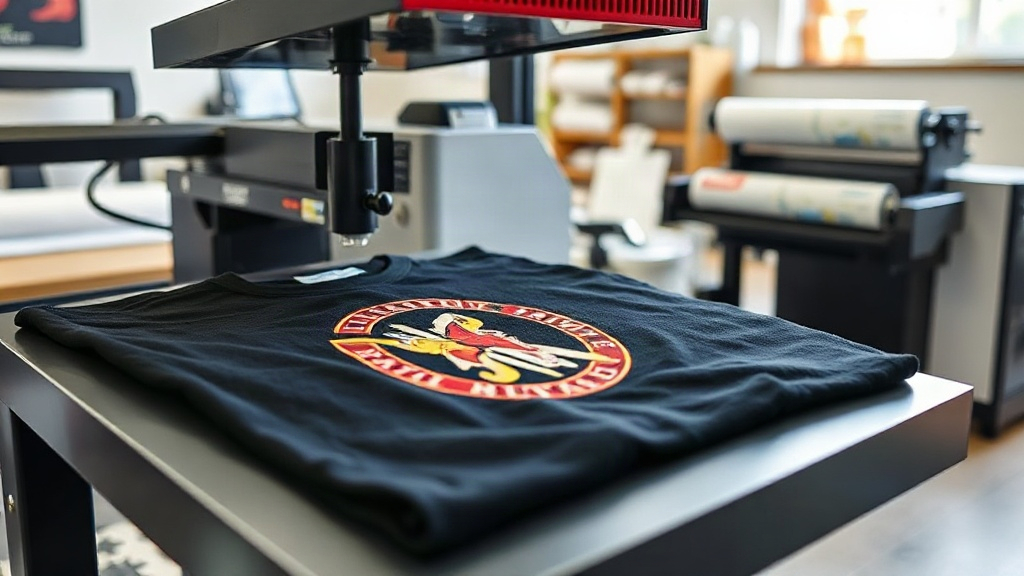
When you first hear about DTF printing, it might sound like just another printing acronym. But this technology is quickly becoming a favorite among small business owners, crafters, and anyone who wants to create vibrant, durable custom apparel without the hassle of traditional methods. Whether you're printing a single t-shirt for a friend or ramping up production for your online store, understanding DTF printing can open up a world of possibilities.
What Is DTF Printing?
DTF stands for Direct to Film. It's a printing method where your design is printed onto a special film, coated with a powder adhesive, and then heat-pressed onto fabric. Unlike DTG (Direct to Garment) printing, which prints directly onto the shirt, DTF uses a transfer film as an intermediary. This means you can print on a wide range of fabrics, including cotton, polyester, blends, and even nylon, without pre-treating the garment.
The process involves a few key steps: designing your artwork, printing it onto the film with a DTF printer, applying hot melt powder, curing the powder, and then pressing the transfer onto your fabric. Each step is crucial for achieving a professional-looking result that withstands washing and wear.
Why DTF Printing Is Gaining Popularity
There are several reasons why DTF printing has become a go-to for many in the custom apparel industry. Let's break down the main advantages.
Versatility Across Fabrics
One of the biggest draws is that DTF works on almost any fabric. Traditional screen printing requires specific inks for different materials, and DTG often needs pre-treatment for dark shirts. DTF sidesteps these issues. You can print on 100% cotton, 100% polyester, 50/50 blends, and even specialty fabrics like canvas and denim. This makes it ideal for businesses that offer a variety of products.
Vibrant, Durable Prints
DTF transfers produce bright, opaque colors that pop, even on dark garments. The prints are also highly durable. When properly applied, they can withstand dozens of wash cycles without fading, cracking, or peeling. This durability is a major selling point for customers who want their custom apparel to last.
Cost-Effective for Small Runs
If you're doing short runs or one-off designs, DTF is incredibly cost-effective. There's no need for screens or plates, so setup costs are minimal. You can print a single transfer or hundreds, and the per-unit cost remains reasonable. This is perfect for small businesses, crafters, and anyone testing a new design.
No Weeding or Cutting Required
Unlike vinyl cutting, DTF doesn't require weeding (removing excess material around the design). The film is printed with the design and then powdered, so you simply press it onto the fabric. This saves time and reduces waste, making it a more efficient process overall.
How to Get Started with DTF Printing
Ready to dive into DTF printing? Here's a step-by-step guide to help you start creating your own transfers.
1. Choose the Right Equipment
You'll need a DTF printer, DTF film, hot melt powder, and a heat press. DTF printers are available in various sizes and price ranges. For beginners, a smaller desktop model might suffice. When selecting film, look for double-sided matte film designed specifically for DTF. The powder should be a fine-grain hot melt adhesive. A quality heat press is essential for consistent results.
2. Prepare Your Artwork
Your design should be in a high-resolution format, preferably PNG with a transparent background. Remember that DTF prints are mirrored before pressing, so your artwork needs to be flipped horizontally. Most RIP (Raster Image Processor) software that comes with DTF printers handles this automatically.
3. Print and Powder
Load the DTF film into your printer and print your design. While the ink is still wet, apply hot melt powder evenly over the print. Shake off the excess powder, then cure the film in a curing oven or under a heat source until the powder melts and becomes glossy. This step is critical for the transfer's durability.
4. Heat Press the Transfer
Set your heat press to the recommended temperature (usually around 300-320°F) and pressure. Place the transfer on your fabric with the powder side down. Press for 10-15 seconds, then peel the film off while it's still warm (warm peel) or after it cools (cold peel), depending on the film's instructions. Always follow the manufacturer's guidelines for best results.
Common DTF Printing Mistakes to Avoid
Even with a straightforward process, beginners often encounter issues. Here are some pitfalls to watch out for.
- Insufficient powder application: If you don't apply enough powder, the transfer may not adhere properly. Aim for a uniform coating.
- Incorrect pressing temperature: Too hot and the transfer can scorch; too cool and it won't bond. Use a heat gun or infrared thermometer to verify your press temperature.
- Not pre-pressing the garment: Always pre-press your fabric for a few seconds to remove moisture and wrinkles. This ensures a smooth, even transfer.
- Peeling too soon or too late: Follow the film's instructions for warm or cold peel. Peeling at the wrong time can cause the design to crack or lift.
DTF vs. Other Printing Methods
How does DTF stack up against DTG, screen printing, and vinyl? Here's a quick comparison.
- DTG: Best for 100% cotton, but requires pre-treatment and can be less vibrant on dark colors. DTF works on more fabrics and often yields brighter results.
- Screen Printing: Cost-effective for large orders but expensive for small runs due to setup. DTF is more flexible for short runs.
- Vinyl: Great for simple designs but limited in color and detail. DTF can handle complex, multi-color designs with ease.
Each method has its place, but DTF offers a unique blend of versatility, durability, and cost-effectiveness that makes it a strong contender.
Tips for Achieving Professional-Quality DTF Transfers
To get the best results from your DTF printing, keep these tips in mind.
- Use high-quality film and powder: Cheaper materials can lead to inconsistent results. Invest in reputable brands.
- Maintain your printer: Regular cleaning and maintenance prevent clogs and ensure consistent ink flow.
- Test your settings: Every fabric and transfer combination may require slight adjustments. Do test presses to find the optimal temperature, pressure, and time.
- Store transfers properly: Keep unused transfers in a cool, dry place to prevent the powder from absorbing moisture.
Frequently Asked Questions About DTF Printing
What fabrics can I use with DTF printing?
DTF transfers can be applied to a wide range of fabrics, including cotton, polyester, blends, nylon, canvas, and denim. It's one of the most versatile printing methods available.
How long do DTF prints last?
When applied correctly, DTF prints can last as long as the garment itself. They are resistant to cracking, peeling, and fading, even after multiple washes. Following proper washing instructions (inside out, cold water, no bleach) will extend their life.
Do I need a special printer for DTF?
Yes, you need a DTF printer that uses pigment inks and is designed to print on film. However, some people convert standard inkjet printers with DTF ink systems. It's best to use a dedicated DTF printer for reliable results.
Is DTF printing profitable for small businesses?
Absolutely. The low setup costs and ability to print on demand make DTF printing highly profitable for small businesses. You can offer custom apparel without large inventory investments.
Can I use DTF on dark and light garments?
Yes, DTF works on both dark and light garments. The white ink layer in the transfer ensures vibrant colors on dark fabrics, while on light fabrics, the colors remain bright and opaque.
Final Thoughts
DTF printing is more than a trend; it's a practical solution for creating high-quality custom apparel. Its versatility, durability, and cost-effectiveness make it an excellent choice for beginners and seasoned professionals alike. By understanding the process and avoiding common mistakes, you can produce stunning transfers that delight your customers. So why not give DTF a try? With a bit of practice, you'll be creating professional-grade apparel in no time.